





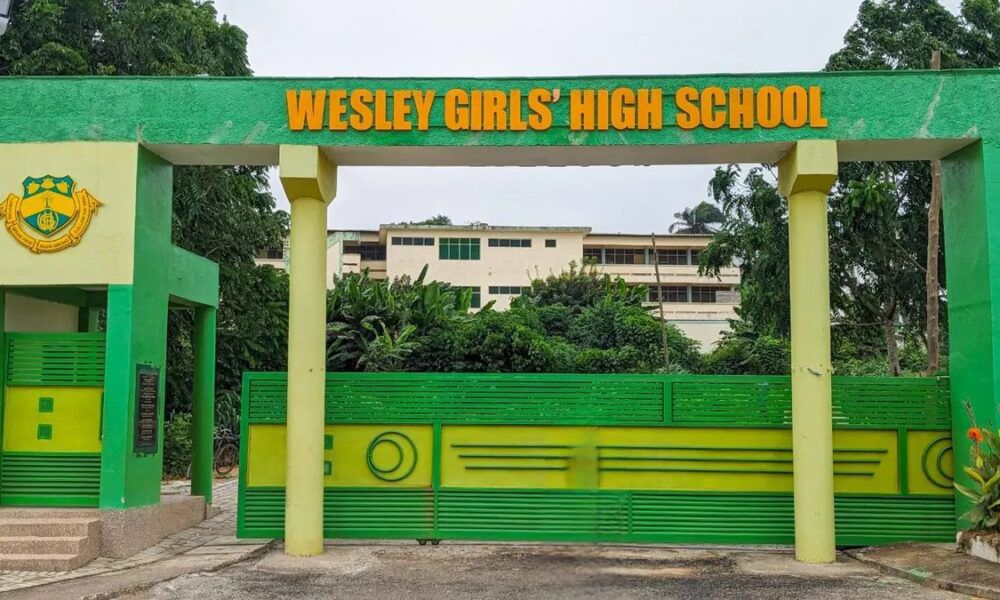
Accra, Ghana — The Supreme Court has cleared the way for a landmark constitutional case against Wesley Girls’ High School to proceed, rejecting the school’s attempt to have the suit thrown out.
In a unanimous decision Wednesday, a seven-member panel led by Chief Justice Gertrude Torkornoo Baffoe-Bonnie ruled that the Board of Governors of Wesley Girls can be sued, dismissing arguments that only the Methodist Church Ghana was a proper party to the case.
The Core Dispute
The case stems from a suit filed by a former student and parent, challenging the school’s longstanding policy that bars Muslim students from observing Islamic religious practices, including fasting during Ramadan and performing daily prayers. The plaintiffs argue the rules violate Article 21(1)(c) of Ghana’s 1992 Constitution, which guarantees freedom of religion.
Wesley Girls, one of Ghana’s top mission schools founded by the Methodist Church in 1836, had asked the court to strike out the case. Its lawyers contended that the Board of Governors lacks legal personality and cannot be sued directly. The Court disagreed, holding that the Board exercises control over school policy and is therefore a proper defendant.
Court’s Directive
The Court upheld arguments by Deputy Attorney-General Justice Srem-Sai, representing the State, and Abdul Aziz Gomda, counsel for the plaintiffs. It ordered Wesley Girls to file its defense to the main constitutional claims within 14 days. The substantive case has been adjourned indefinitely.
What’s at Stake
Legal experts say the case could redefine the balance between religious autonomy of mission schools and students’ constitutional rights. Over 60% of Ghana’s senior high schools are mission-founded, many with codes rooted in Christian or Islamic doctrine.
“This isn’t just about one school,” said Prof. Kofi Quashigah, a constitutional law lecturer at UG. “The ruling will test whether mission schools, though publicly funded under the Ghana Education Service, can enforce religious rules that exclude or disadvantage students of other faiths.”
Background
The controversy first flared in 2021 when a Muslim parent alleged that Wesley Girls prevented his daughter from fasting during Ramadan. The school defended its policy, citing the need to maintain discipline and protect students’ health. The Methodist Church later backed the school, stating that parents who enroll their wards agree to abide by its Christian ethos.
The Ghana Education Service has since issued guidelines urging mission schools to respect religious diversity, but enforcement remains patchy. The National Peace Council and Commission on Human Rights and Administrative Justice (CHRAJ) have both called for a resolution that upholds both institutional tradition and individual rights.
Next Steps & Impact
If the Supreme Court rules against Wesley Girls, mission schools may be compelled to revise admissions policies, allow prayer spaces, or accommodate fasting. A ruling in the school’s favor could affirm the right of faith-based institutions to set religious standards for students.
Student unions, parent groups, and religious bodies are monitoring the case closely. The outcome is expected to influence future policy on religious expression in all public and mission schools nationwide.
