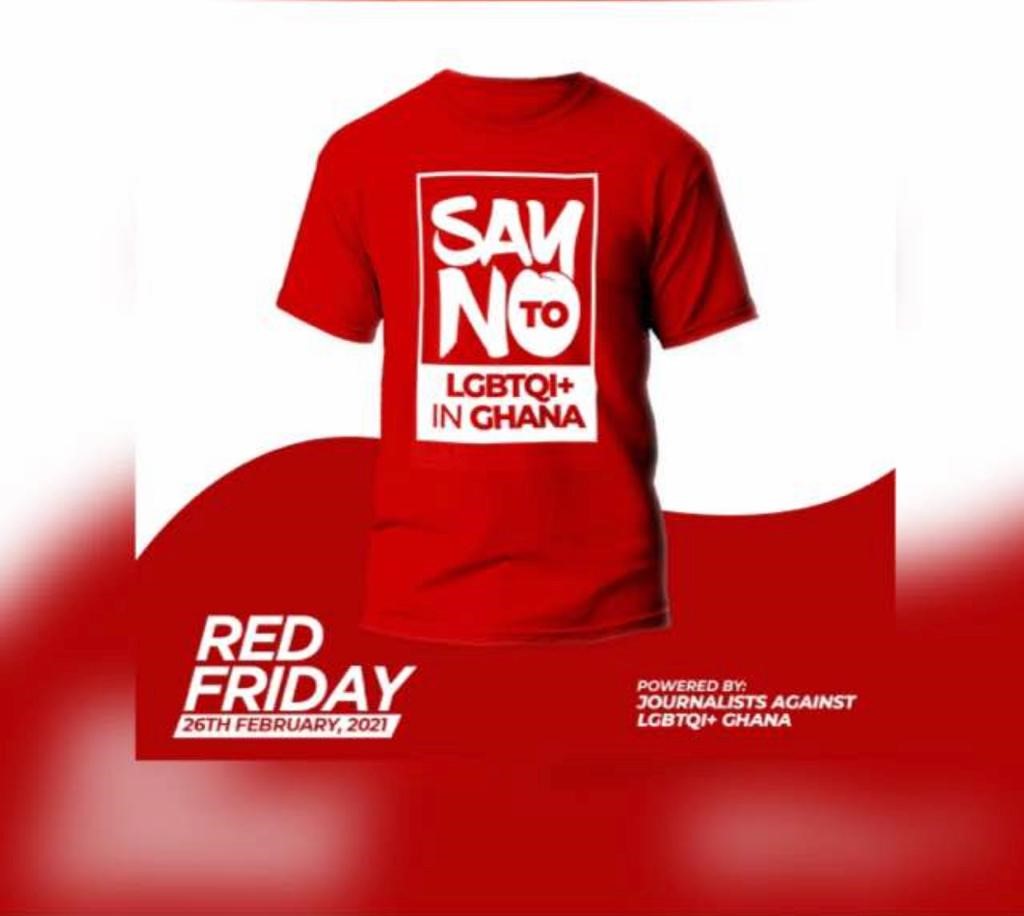
Tag: Journalist Against LGBTQ

  • Journalists Against LGBTQ+ Ghana Calls for African Countries to Withdraw Contributions from the World Bank

    Journalists Against LGBTQ+ Ghana Calls for African Countries to Withdraw Contributions from the World Bank

    Journalists Against LGBTQ+ Ghana has strongly criticized the World Bank’s recent decision to halt new lending to the Ugandan government due to its anti-LGBTQ law. The organization argues that this action is not only hypocritical but also discriminatory towards African nations.

    The World Bank justified its decision by stating that the Ugandan law contradicts its values. However, Journalists Against LGBTQ+ Ghana questions the selective approach taken by the organization. Many countries in the Middle East and Asia, which receive significant funding from the World Bank, have similar or even harsher laws on homosexuality. It raises concerns about the World Bank’s inconsistency in its lending policies.

    Furthermore, the organization expresses disappointment in the targeting of African nations by international organizations. The World Bank’s decision to single out Uganda has raised suspicions about the underlying motives behind such actions. Discriminatory laws exist in various parts of the world, including within the United States of America, where certain states have passed laws that restrict or oppose homosexuality. Journalists Against LGBTQ+ Ghana emphasizes the need for fair treatment and equal consideration for all nations.

    In response to these developments, Journalists Against LGBTQ+ Ghana is calling on African countries to withdraw their contributions from the World Bank en bloc. The organization believes that African nations should take control of their own financial destiny by establishing their own Africa Bank. This move would enable them to address their unique challenges and foster development without external interference.

    The organization also highlights the vision of the late Colonel Muammar Gaddafi, who advocated for the creation of an African Development Bank. Regrettably, his vision was thwarted, and he paid the ultimate price for his aspirations. Journalists Against LGBTQ+ Ghana urges African nations to learn from history and work towards establishing a financial institution that caters to the needs and aspirations of the African continent.

    Furthermore, the organization calls on the Parliament of Ghana to expedite the passage of the anti-LGBTQ+ law without delay. It emphasizes the importance of protecting cultural values and upholding the will of the Ghanaian people. Journalists Against LGBTQ+ Ghana urges all stakeholders, including civil society organizations, media outlets, and the general public, to support this cause and stand against any form of discrimination.

    Journalists Against LGBTQ+ Ghana remains committed to advocating for the rights and well-being of all Ghanaians while promoting a fair and inclusive society.

  • Journalists Against LGBTQI Slam Daily Graphic for Neglecting Anti-Gay Bill Coverage

    Journalists Against LGBTQI Slam Daily Graphic for Neglecting Anti-Gay Bill Coverage

    By: Justice Torgbor

    Accusing the Daily Graphic newspaper of neglecting the crucial coverage of the Anti-Gay Bill, journalists from across the nation have joined forces to express their disappointment and frustration. In a powerful display of unity, the group known as Journalists Against LGBTQI has taken a stand against what they perceive as a failure to prioritize the Anti-Gay Bill in the newspaper’s publication on Thursday, July 6.

    In a statement issued and signed by the convenor of the group, Isaac Boamah Darko, the journalists condemn the alleged negligence of the Daily Graphic, sparking a heated debate about journalistic responsibility and impartiality. The statement highlights the importance of fair and comprehensive reporting on the Anti-Gay Bill, emphasizing that it is in the interest of every Ghanaian.

    The journalists accuse the Daily Graphic of turning a blind eye to the critical issue at hand, particularly in light of the newspaper running advertisements for the American Embassy seeking an LGBTQI+ coordinator in Ghana. This perceived contradiction raises questions about the publication’s duty to inform the public about ongoing discussions surrounding the Anti-Gay Bill.

    As tensions rise, this clash between journalists and a prominent publication sheds light on the challenges faced when covering sensitive topics. It also raises important questions about media influence and responsibility in shaping societal attitudes.

    Demanding accountability, transparency, and unbiased reporting, the journalists’ passionate outcry reignites the debate on media ethics and the crucial role of journalism in shaping public opinion on LGBTQI issues.

    The Daily Graphic now faces scrutiny from both within and outside the journalism community, as the call for fair and comprehensive coverage of the Anti-Gay Bill grows louder. This incident serves as a reminder of the media’s power to influence public discourse and the need for responsible reporting on sensitive matters that impact the lives of many Ghanaians.