
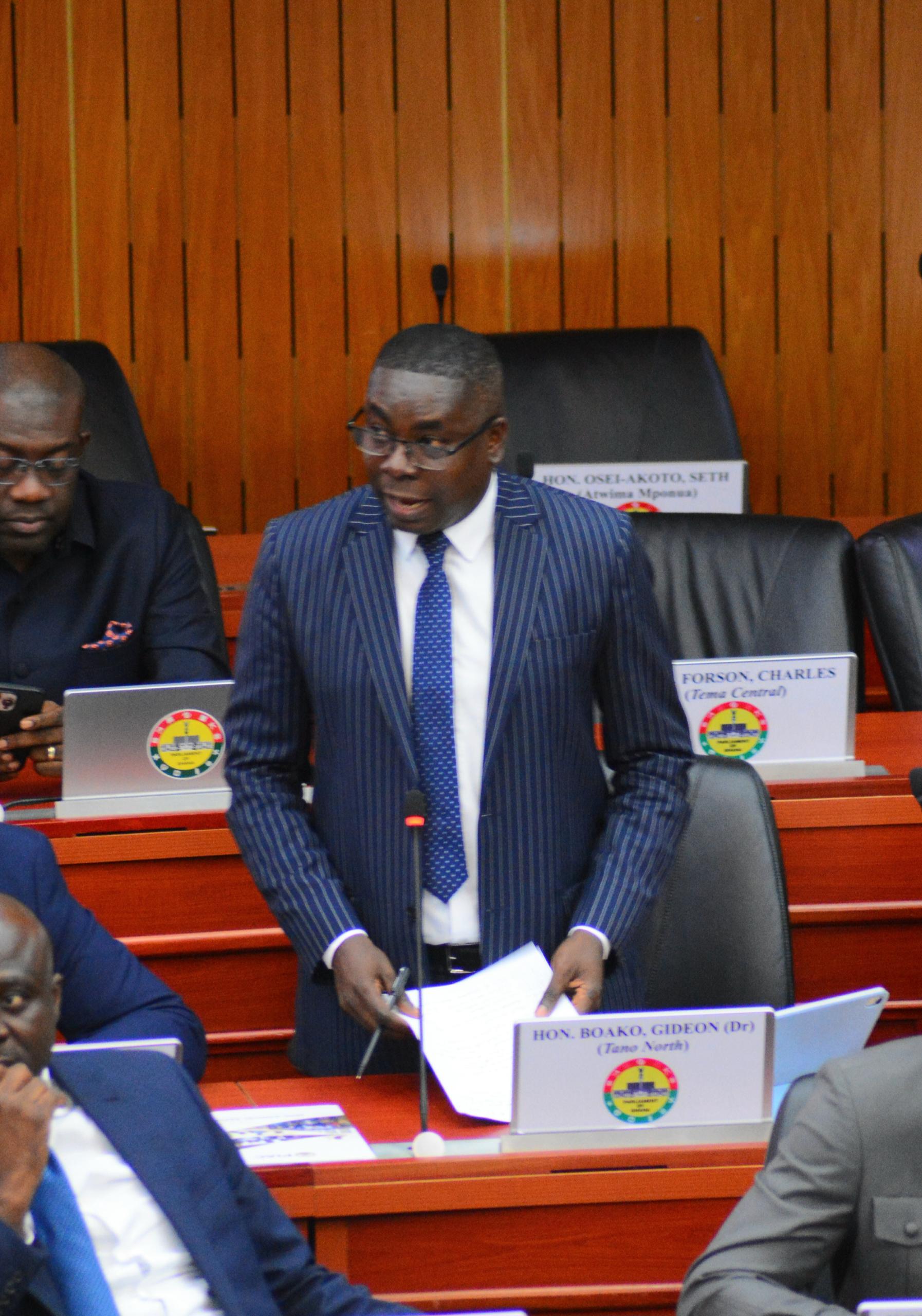
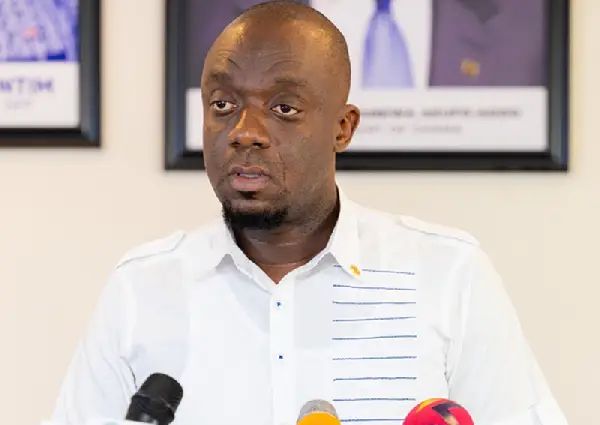



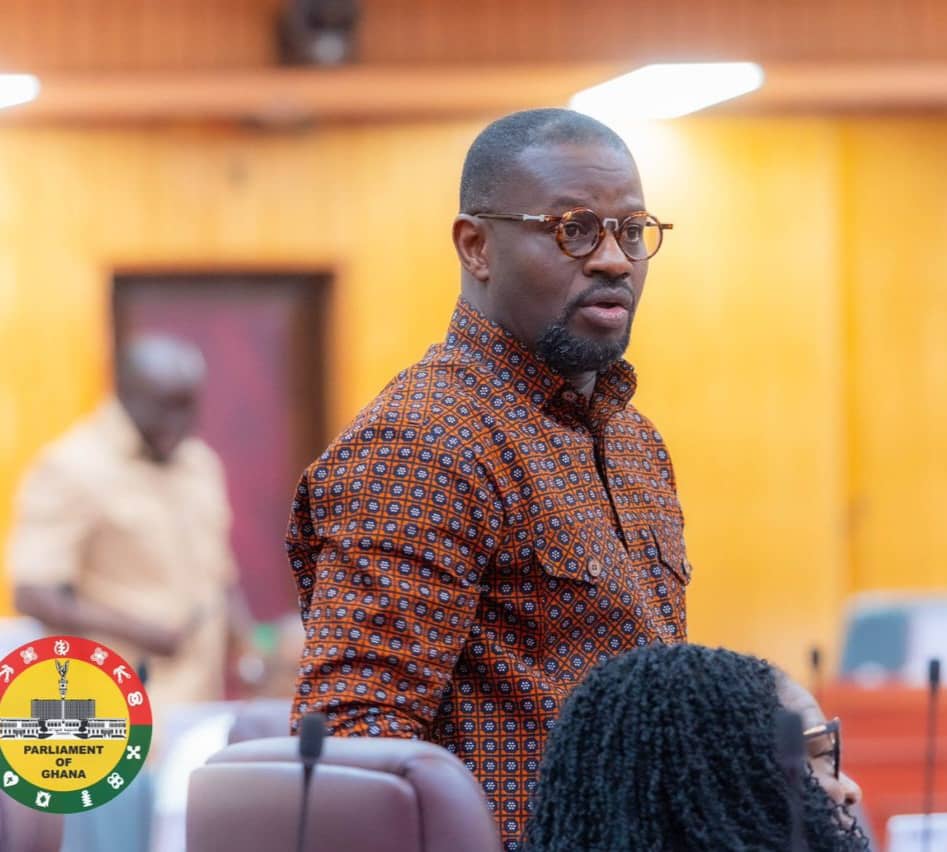
Tensions flared on the floor of the Parliament over the weekend as Minority Chief Whip and Member of Parliament for Nsawam-Adoagyiri, Frank Annoh-Dompreh, demanded the immediate return of Finance Minister Cassiel Ato Forson to address pressing questions about the public finances, particularly issues relating to the country’s sinking fund and government capital investment.
Speaking during parliamentary proceedings, Annoh-Dompreh insisted that the Finance Minister must come back to the House to clarify matters surrounding the sinking fund, describing it as a critical national financial instrument that requires transparency and proper parliamentary scrutiny.
According to him, the issue goes beyond routine government business and touches directly on the financial stability of the republic.
He argued that Parliament, as the representative body of the people, cannot remain silent on matters that have significant implications for the nation’s debt obligations and economic management.
The Minority Chief Whip also raised concerns about the government’s capital expenditure, revealing that the government reportedly cut capital investment by about 55 percent in the previous year.
He said such a drastic reduction in spending on infrastructure and development projects demands explanation from the Finance Minister, noting that Parliament must be fully informed about decisions affecting national development priorities.
Annoh-Dompreh stressed that the Minister’s presence in Parliament was necessary to provide clarity on these issues and respond to concerns raised by Members of Parliament.
According to him, the responsibility of government ministers to account to Parliament is a cornerstone of Ghana’s democratic governance and must not be treated lightly.
Beyond the financial issues, the Minority Chief Whip also strongly rejected a proposal contained in the Business Committee report that sought to allocate speaking opportunities during parliamentary debates based on proportional representation between the Majority and Minority caucuses.
The proposal recommended that 27 Members of Parliament be allowed to speak during debates each day—18 from the Majority side and 9 from the Minority.
Annoh-Dompreh described the arrangement as unacceptable and declared that the Minority Caucus would firmly resist any attempt to impose such a rule.
He argued that limiting parliamentary contributions through a rigid numerical formula would undermine fair debate and silence dissenting voices in the House.
Registering a formal protest on behalf of the Minority, he insisted that the controversial portion of the report must be removed before the House adopts the document.
According to him, the Minority is prepared to support the broader report of the Business Committee but only if the section recommending proportional allocation of speaking slots is expunged.
The Nsawam-Adoagyiri legislator also cautioned the Majority Leader against attempting to challenge previous rulings of the Speaker through procedural shortcuts.
While acknowledging the Majority Leader’s reputation for strong command of parliamentary procedure, Annoh-Dompreh noted that any attempt to overturn a ruling of the Speaker must follow the proper process through a substantive motion before the House.
Using a metaphor to drive home his point, he warned that parliamentary processes must be respected.
“If you want to enter the chamber, you must come through the door—you cannot come through the window,” he said, emphasizing that established rules of the House must guide all parliamentary actions.