
NHIA MRO Directorate holds 2025 regional performance review in Volta, outlines 2026 UHC roll‑out and digital upgrades
By: Isaac Darko Boamah
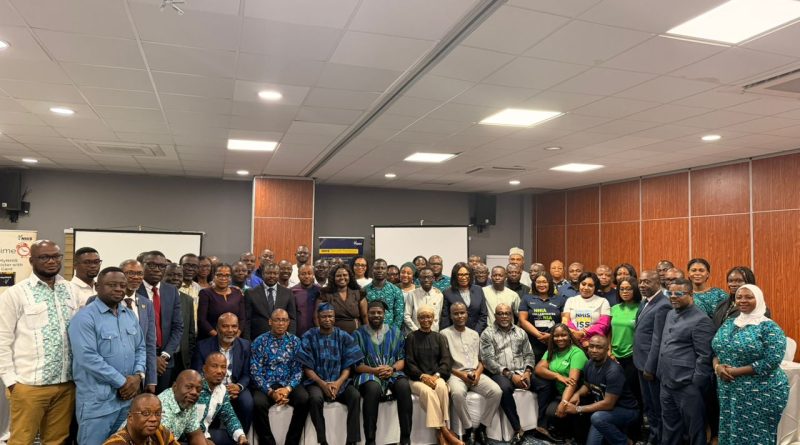
VOLTA REGION — The National Health Insurance Authority’s(NHIA) Membership and Regional Operations (MRO) Directorate on Wednesday, 11th February, 2026, opened its 2025 end‑of‑year regional performance review at the Volta Serene Hotel, using the gathering of regional directors, operations managers, and headquarters staff to review the NHIA’s national performance and advance plans for delivering the Authority’s mandate and accelerating Universal Health Coverage (UHC) in 2026.
Speaking under the theme “Achieving and sustaining UHC in 2026: a collective responsibility,” the meeting opened with a welcome from the Acting Volta Regional Director of the NHIA, Ms. Susan Chobbah, who greeted delegates “most welcome home” to the Serene capital, which she described as the “oxygen city of Ghana” for its greenery and calm. On behalf of the management and staff of the Volta Regional Office, she said the region was proud to host executive management, the headquarters, and regional directors, and pledged the region’s full support for the implementation of national initiatives and constructive deliberations in, the coming sessions.
Mr. Sebastian Alagpulinsa, Acting Director of Membership and Regional Operations (MRO), welcomed participants from across the regions and directorates, emphasizing that “there is no NHIS without membership.” He praised the Afram Plains District as the most innovative, noting that despite having only six staff and no vehicle, the district met its 2025 target.
Mr. Alagpulinsa also reported that the Eastern Region led in population coverage based on annual active NHIS membership: it had projected 303,552 but achieved 436,012—approximately 141% of its target. The region likewise exceeded its indigent registration target by a wide margin, projecting 258,974 but registering 2,661,053, far surpassing expectations.
Opening the review, Acting Deputy Chief Executive (Operations) Dr. Senanu Kwesi Djokoto stressed that achieving UHC is not purely a matter of policy but depends on meeting the needs of frontline staff. He urged regional directors to be responsive to staff welfare and operational realities as the Authority implements a new medium‑term strategy for 2026–2029 that prioritises universal coverage, financial sustainability, quality care, digital innovation and institutional excellence.
Dr. Djokoto also presented findings from the NHIA’s national performance review, which reported strong enrolment growth and identifiable regional successes while flagging Greater Accra and the Western Region for intensified operational focus. He outlined plans for a digital transformation to strengthen mobile platforms, data analytics, and interoperability — and confirmed the Authority’s commitment to a free primary health care rollout in 2026 that will emphasise preventive services and use blended payment mechanisms. A headline target announced at the meeting is registration of at least 80 percent of the population with the success of that drive dependent on coordinated provider engagement, robust monitoring, and an expanded public education campaign.
Mr. Suleyman Abass, Acting Director RPME commended the regional teams’ achievements and pledged to work with the directors and the Deputy CEO (Operations) to achieve the 80 percent registration target. He emphasised the need to update monitoring tools and key performance indicators to reflect current operations and said the NHIA’s medium‑term plan — built on five strategic pillars — will be disseminated to all staff and stakeholders. Mr. Alagpulinsa called for operations research in every region to inform policy on quality and out‑of‑pocket expenses and, urged active participation to cross‑pollinate ideas and lift lagging regions. His action list includes validating updated monitoring and evaluation tools, disseminating the approved strategic plan, and coordinating regionally‑aligned operations research topics. as critical to NHIA’s strategic operations
Mr. Oswald Essuah‑Mensah, Acting Director of Corporate Affairs (CAF), highlighted that in 2026, the NHIA will work to enhance member experience, especially by optimising the customer service desks (Pulpit Policy) at provider sites. He reported that 352 desks have been deployed nationwide over the past three years and said the Authority has a minimum of at least 15 per region, with plans to fully operationalise them at provider sites across the country on a rotational staffing model.
Mr. Essuah‑Mensah said Corporate Affairs will provide a messaging template and guidelines to ensure consistent communication on interventions such as free primary health care, One Time Access Code (OTAC), telehealth, and E-Pharmacy, and urged regions to engage communities to secure buy‑in. He also set out action items: to increase visibility and public education nationwide to secure stakeholder buy-in for the upcoming interventions at regional and district levels.
Mr. Aminu Yakubu, Acting Chief Audit Executive, focused his remarks on target setting and the importance of membership in achieving Universal Health Coverage (UHC). He singled out the MRO Directorate as the most important engine to ensure the attainment of UHC.
Ms. Mariam Musah, Acting Director of Operations, outlined the NHIS policy training requirements ahead of the free primary health care roll‑out. She underlined the need for comprehensive, intentional training for all NHIS staff on the benefit package and payment changes, and tasked Regional Operations Managers with coordinating implementation and behavioural change at regional and district levels. Ms. Musah announced regional visits by the Operations Directorate to deepen knowledge and understanding of the policy.
Mr. Joseph Annor Dankwa, an Acting Deputy Director of MIS, presented a briefing on the data‑centre upgrade and broader digital priorities. He confirmed ongoing migration to a certified Tier‑4 data centre to strengthen system resilience and prevent outages, and urged the provision of Microsoft E3 licences to improve desktop productivity and application reliability. Mr. Annor Dankwa outlined planned rollouts for OTAC and BMAS digital solutions to support tariff adjustments and private healthcare engagement and stressed the Deputy CEO’s ownership of implementation and training. His action items included completing the Tier‑4 migration, provisioning E3 licences, and delivering the OTAC and BMAS rollouts with accompanying training for members and providers.
The two‑day review moderated by Ms. Mercy Wireduwaa, Acting Deputy Director MRO will continue with breakout sessions to finalise regional operational plans, validate monitoring tools ahead of the 2026 roll‑out.