


By: Isaac Darko Boamah
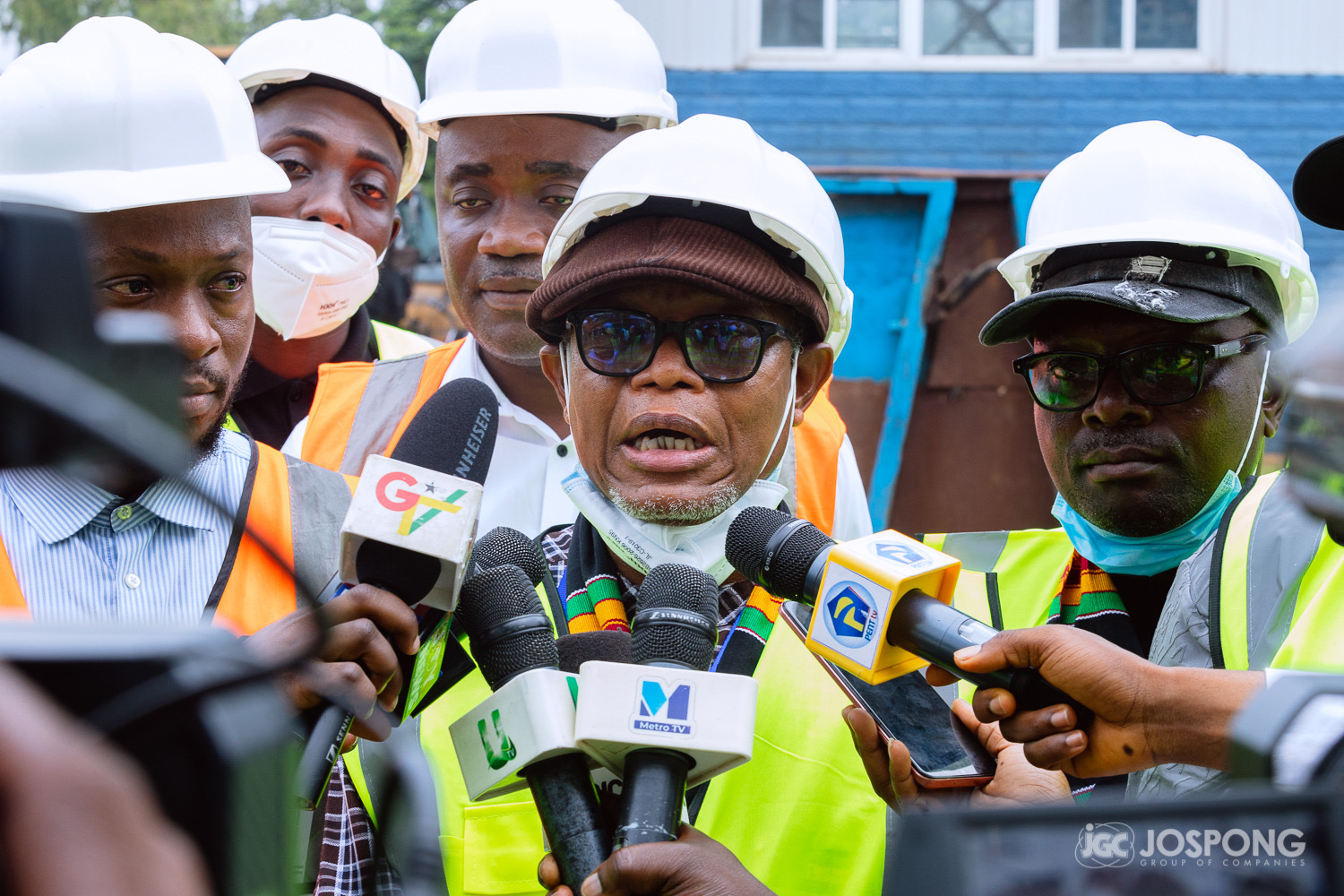
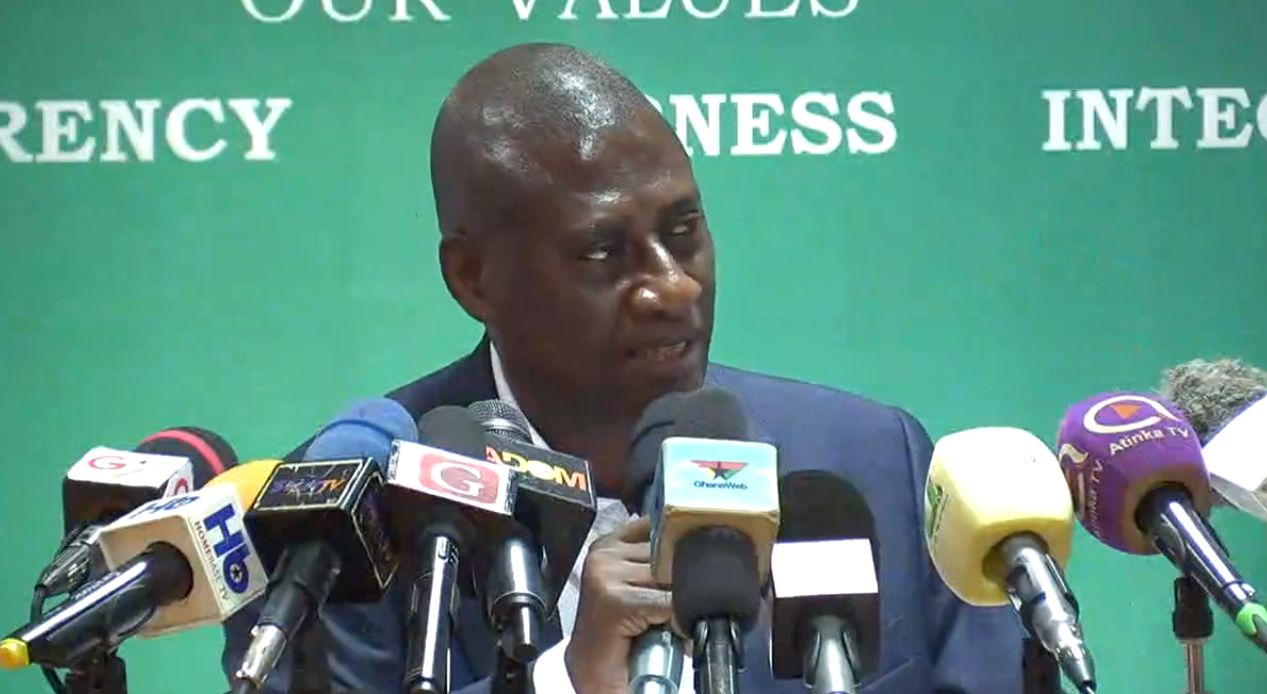
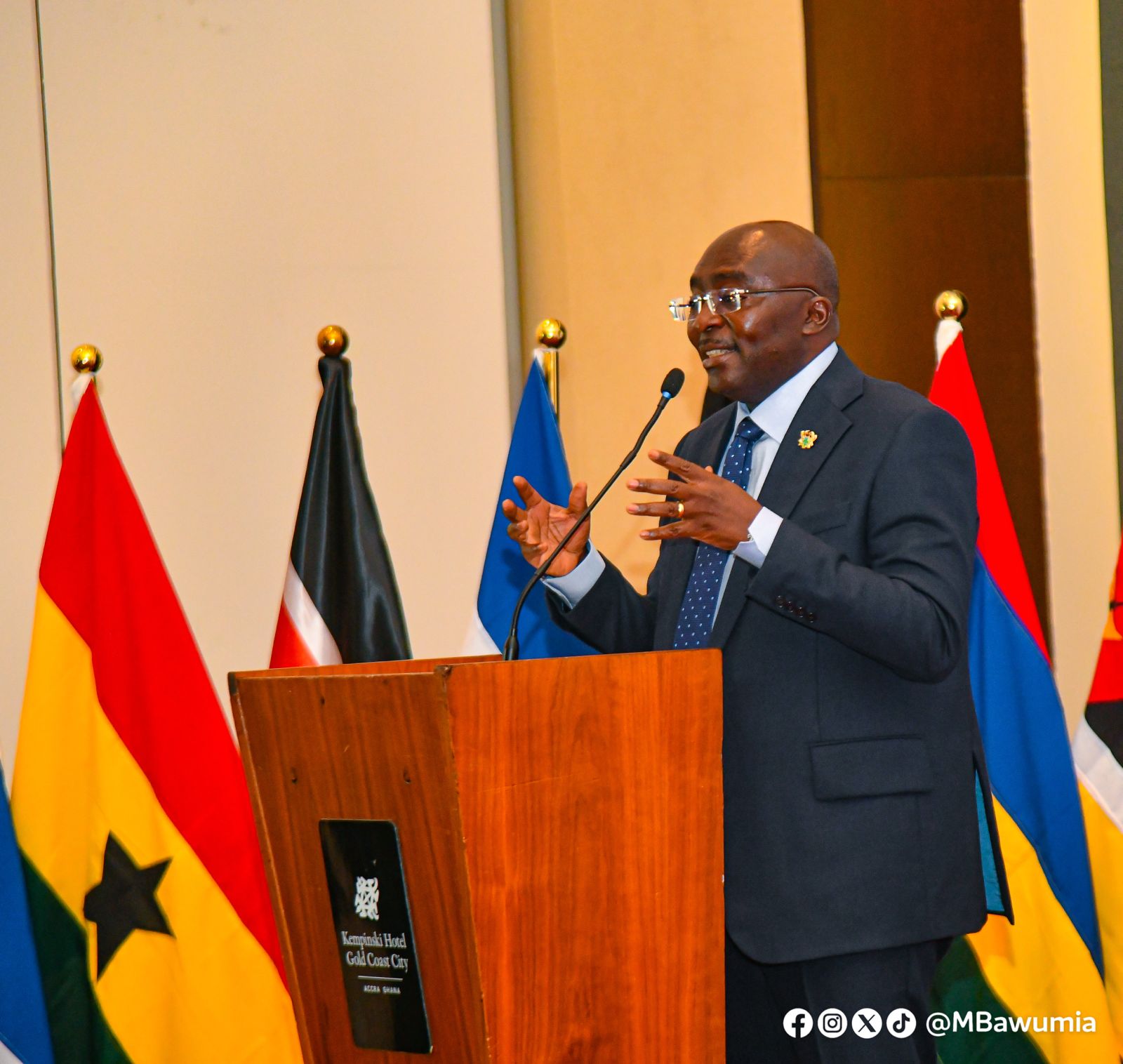
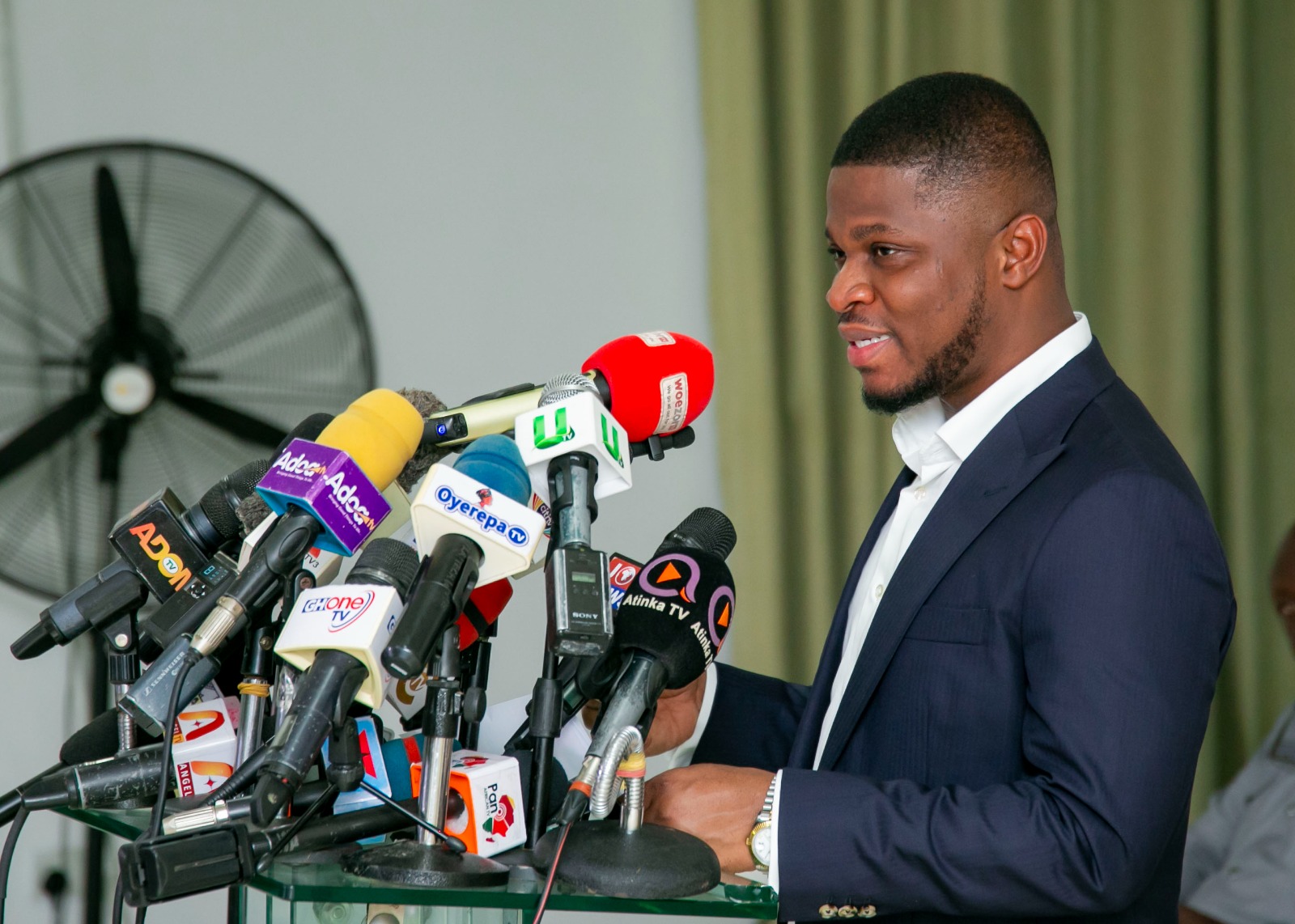
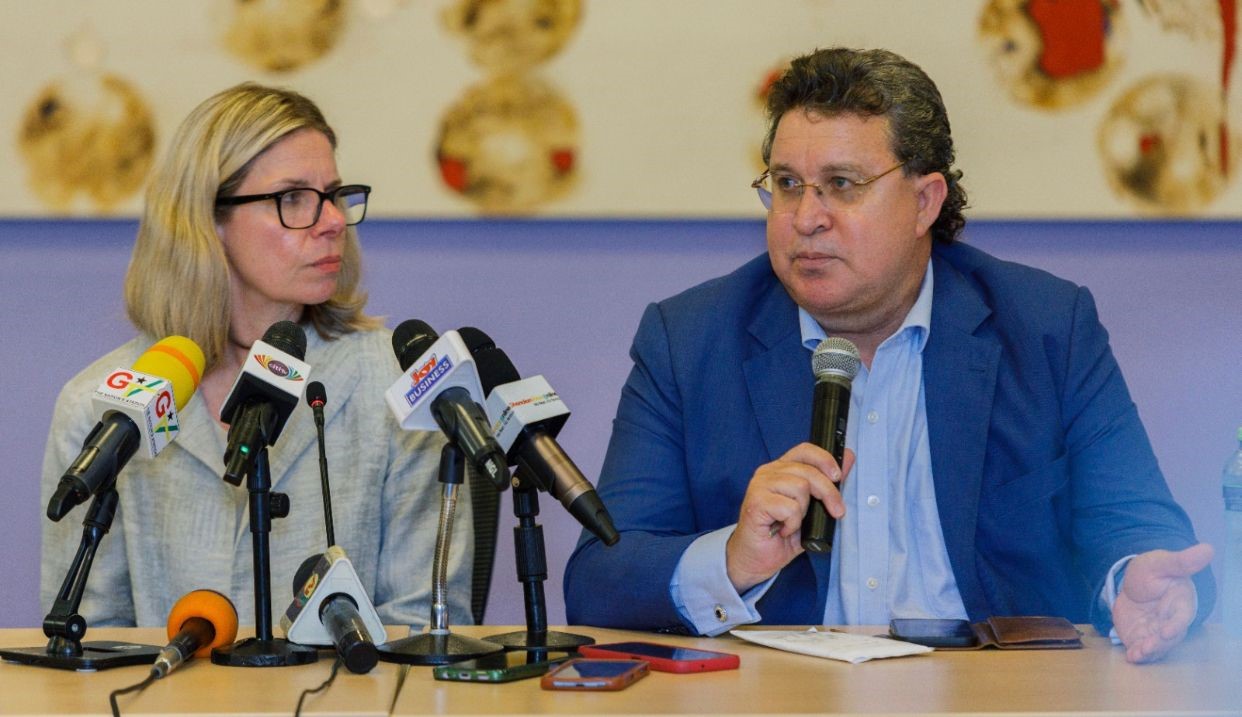
ISTANBUL — United Nations climate chief Simon Stiell used a press conference hosted by COP31 President Designate Murat Kurum on Monday to press for an urgent shift from negotiations to delivery as the world prepares for the UN climate summit in Antalya.
Stiell, executive secretary of the UN Framework Convention on Climate Change (UNFCCC), welcomed Türkiye’s “forward‑looking work towards zero‑waste, and its renewables boom,” and framed the run‑up to COP31 as taking place amid a “new world disorder” of geopolitical instability, trade tensions and what he called attacks on international cooperation.
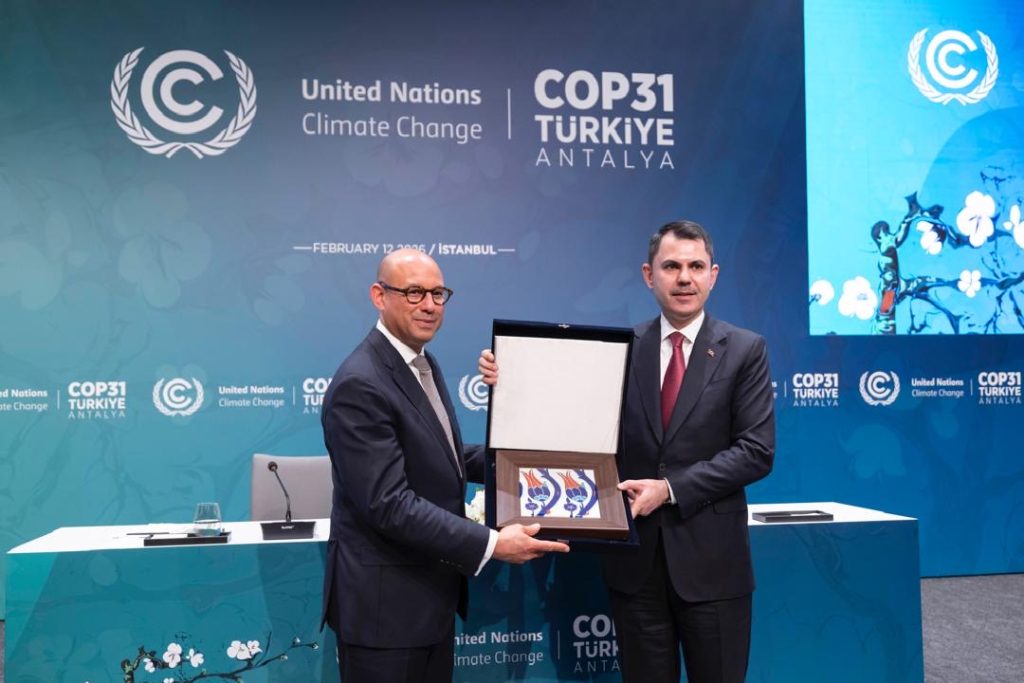
But rather than retreating in the face of those pressures, Stiell argued, countries should seize climate action as a tool for stability, security and economic growth. “Climate action can deliver stability in an unstable world,” he said, calling for a “third era” of climate action — an era of implementation — that moves beyond building consensus to rapidly scaling projects, finance and technologies on the ground.
Stiell reviewed recent progress and set out a series of concrete goals. He noted that since the Paris Agreement clean energy investment has grown tenfold — from about $200 billion to more than $2 trillion annually — and said that in 2025 renewables overtook coal as the world’s top source of electricity while clean‑energy investment was more than double that of fossil fuels. He also highlighted that a majority of countries have submitted updated national plans that, for the first time, are projected to help drive global emissions downward.
Yet, Stiell warned, that momentum is “under unprecedented threat” from forces seeking to expand coal, oil and gas. His prescription: deepen cooperation among governments, businesses, investors and regional and civic leaders to accelerate delivery.
Key implementation priorities he set out include:
•   Doubling energy efficiency and tripling clean energy by 2030;
•   Transitioning away from all fossil fuels “in a just, fair and orderly manner”;
•   Strengthening resilience and reducing vulnerability through adaptation; and
•   Dramatically increasing the quantity and quality of climate finance, with a focus on developing countries and vulnerable populations.
Stiell urged immediate action to build a global pipeline of bankable projects and to “match‑make” between countries, financiers and the private sector so that pledges translate into large‑scale investments. He pointed to the UNFCCC Action Agenda and recent outcomes in Belém and COP30 — including a pledged trillion dollars for clean grids and new investments in forest protection and climate health — as models for public‑private collaboration.
Multilateral development banks, he said, “will be crucial” in mobilizing more finance, drawing in private capital and improving data and reforms. He also referenced a series of negotiation‑linked tools and initiatives — the Global Implementation Accelerator, Mission 1.5 and the Baku‑to‑Belém roadmap to $1.3 trillion — as mechanisms to catalyze faster action.
Stiell set a timeline for accountability: by the second global stocktake in 2028, countries should be on track to meet the targets agreed in the first global stocktake in 2023 so that COP33 can focus on stronger, science‑aligned commitments.
“Our task now is to ramp up this transformation, and ensure that every country has a full seat at this table of opportunity — particularly vulnerable and developing economies,” he said, adding that climate action delivers immediate benefits — lower household bills, cleaner air, millions of jobs and energy access for hundreds of millions still without it.
The executive secretary also said he has convened experts to recommend how UN Climate Change can evolve its processes to accelerate delivery — a move he framed as complementary to, and respectful of, the Party‑driven negotiating process.
Türkiye, he said, is “the perfect place” for that work given its diplomatic role as a crossroads between regions. Stiell closed by assuring co‑operation among leading actors: “The UN is with Türkiye and Australia every step of the way, to make sure COP31 in Antalya delivers, for people, prosperity and planet.”
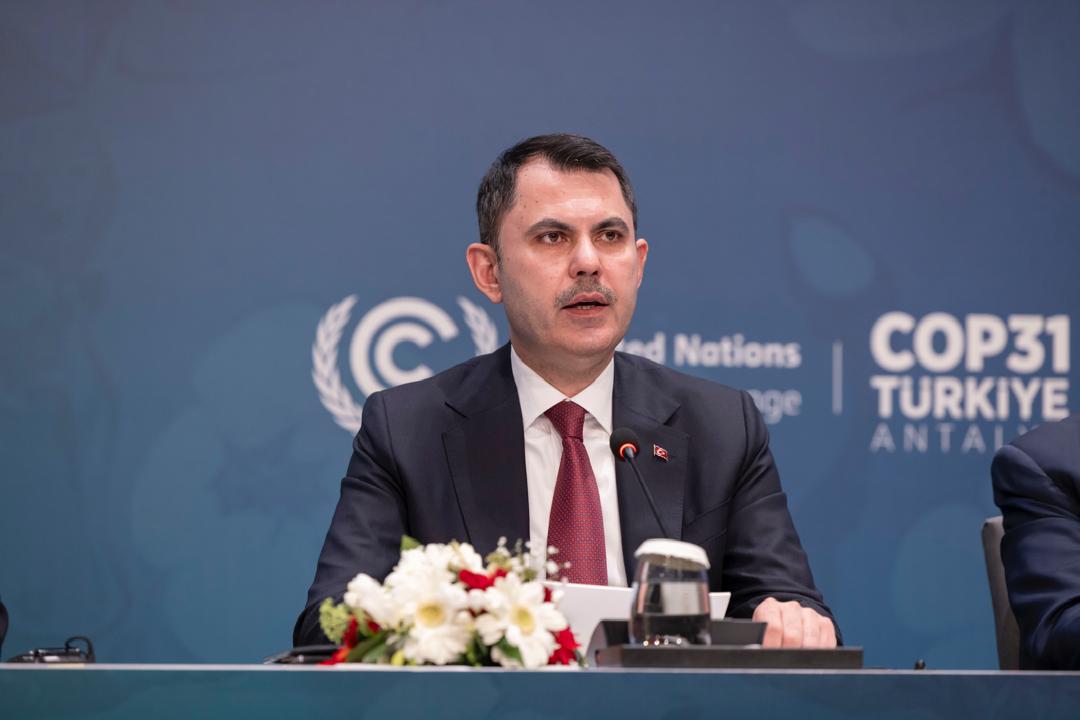
The press conference, hosted by Minister Murat Kurum, comes as the international community prepares for COP31, where implementation pressures and geopolitical headwinds are expected to shape negotiations and parallel efforts to mobilize finance and projects at scale.