




Isaac Darko Boamah Lomé —
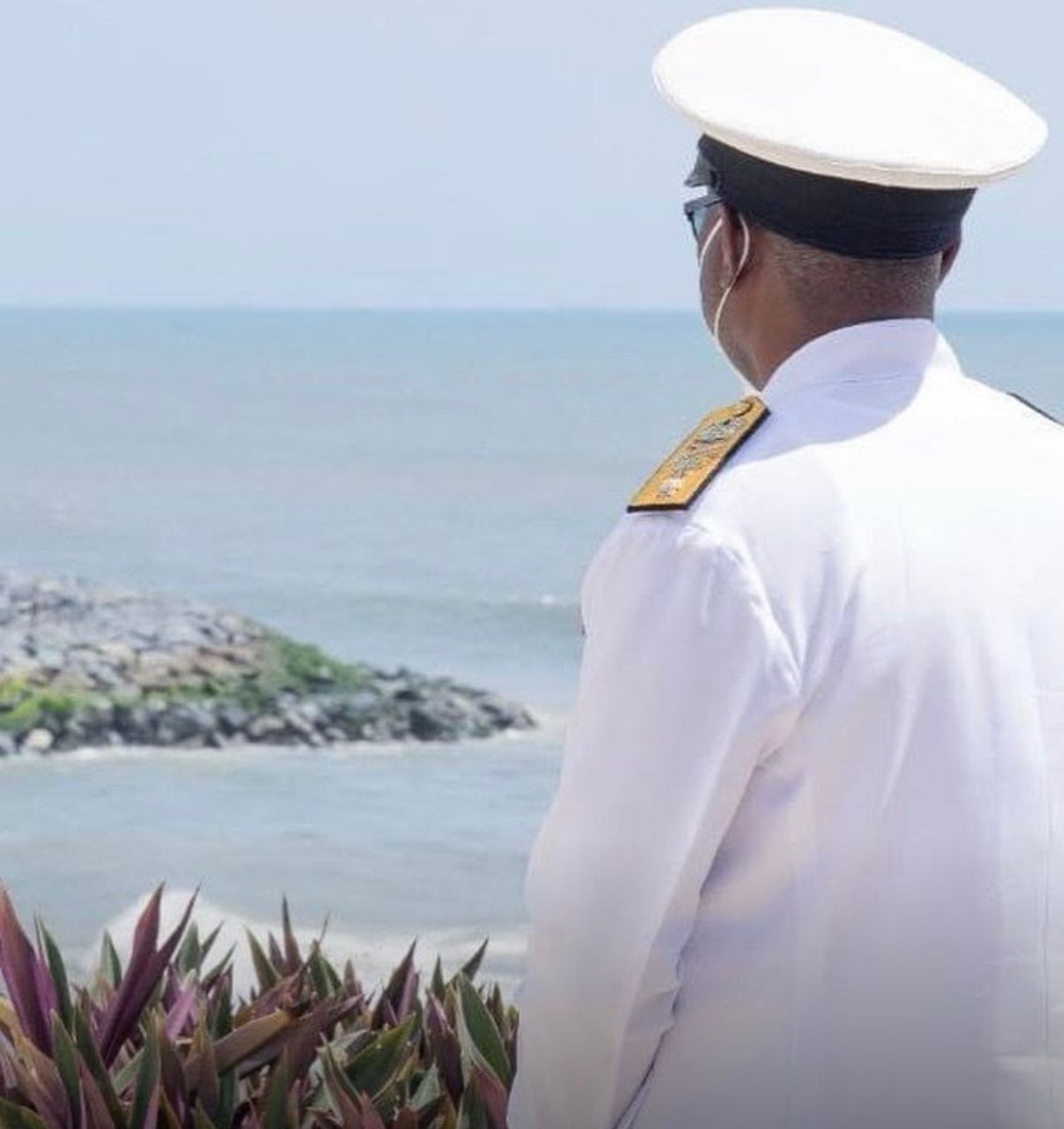
The Mouvement Togolais pour la Restauration (MTR) party has called for a diplomatic solution to the ongoing maritime border dispute between Togo and Ghana. In a statement, MTR National President Dr. Jean Emmanuel GNAGNON emphasized the need for a peaceful resolution, respecting international law and the sovereign interests of both countries.
The party’s leadership is closely monitoring the situation and encourages Togolese authorities to prioritize dialogue and regional cooperation to ensure security, trade, and the well-being of populations in the sub-region.
“Togo’s economic diplomacy should position the country as a credible actor in regional and international negotiations,” Dr. GNAGNON said. “We believe that peace and good neighborliness with Ghana are essential for stability and prosperity in the sub-region.”
The MTR’s call for diplomacy comes as tensions between Togo and Ghana continue over their shared maritime border. The party’s leadership hopes that a peaceful resolution can be reached, benefiting both countries and promoting regional cooperation.
In a wide-ranging message issued to mark the Movement Togolais pour la Restauration’s (MTR) second anniversary, party President Dr. Jean Emmanuel Gnagnon laid out a program of political, economic and social proposals and sharply criticized the structure of Togo’s Fifth Republic while calling for inclusive dialogue and urgent reforms.
“We must be lucid and engaged,” Dr. Gnagnon said in the address, dated 24 February 2024 and issued “for the National Bureau of the MTR.” He told “dear Togolese” that two years after the party’s founding the MTR’s mission remains to restore republican foundations, defend public liberties, fight corruption and give citizens a collective voice based on dignity, truth and exemplarity.
Constitutional critique and call for revision
A central thrust of the message is a critique of the Constitution of 6 May 2024, which Dr. Gnagnon described as presenting itself as a guarantor of the rule of law but containing “structural weaknesses” that undermine separation of powers. Citing specific provisions, he said the text grants wide powers to the President of the Council and the government — including the power to dissolve the National Assembly (articles 51 and 54), to promulgate laws after limited review by the Constitutional Court (articles 32 and 33), and to centralize the administration and direction of national policy in the executive (articles 50 and 52).
According to the MTR president, those features weaken parliamentary and judicial independence, leave individual liberties vulnerable to arbitrary executive action despite nominal protections in articles 2 and 17, and create a constitutional imbalance that is “contrary to the requirements of a true rule-of-law state.”
In response, the MTR proposes “a concerted and inclusive rereading” of the constitution to strengthen genuine institutional independence, ensure effective checks and balances, and establish credible and transparent electoral mechanisms so all Togolese may fully exercise civic rights in a stable framework that prevents conflict and consolidates national peace.
Political dialogue and a new social contract
Dr. Gnagnon urged a frank, sincere and inclusive political dialogue involving all political forces, civil society, traditional and religious authorities and social partners. The party proposes an “Accord Politique Républicain” (APR) — a renewed social contract founded on strict respect for its clauses, institutional independence, consensual reform of the electoral system, a determined fight against corruption and protection of public freedoms. The APR, he said, would underpin ethical, transparent and responsible governance and subject political competition to democratic rules open to national unity.
Living together, social justice and shared prosperity
The MTR emphasized that institutional reform must be accompanied by a commitment to social cohesion and inclusive prosperity. The party called for a national ethic of tolerance, solidarity and mutual respect and said justice in access to education, health, jobs and economic opportunities must be central. The state should guarantee an environment enabling all citizens and communities to benefit from development and flourish.
Economic responsibility and concrete proposals
Highlighting the fragility of Togo’s economy, Dr. Gnagnon warned that high unemployment, inflation, weak purchasing power, low local production and overdependence on certain sectors threaten millions of livelihoods, especially among youth and vulnerable groups.
He cited figures for 2024: a nominal GDP exceeding 6,458 billion CFA francs and real GDP growth of 6.5 percent, accompanied by significant structural vulnerabilities. The country remains classified among least developed countries, with GDP per capita around 1,052 USD and an economy dependent on primary and tertiary sectors more than a diversified industry. Although export revenues from the extractive sector rose, that sector contributes roughly 1 percent of GDP in real terms while weighing heavily in exports. External trade represents about 61 percent of GDP, exposing Togo to external shocks. Much of the active population works in low-productivity informal agriculture, limiting formal job creation and increasing vulnerability to climatic and economic shocks.
To address these weaknesses, the MTR proposed a multi-pronged economic agenda:
•   Developing a digital and fintech economy: create a regional digital hub in Lomé with incubators for tech start-ups, mobile payment solutions, blockchain for fiscal transparency and smart contracts for agriculture and commerce, positioning Togo as a West African digital gateway.
•   Building high‑value agro-industry: move from raw exports to local value addition by processing cocoa, cotton and pineapples into finished goods for export with organic or fair-trade certifications for premium markets.
•   Promoting a circular, green economy: large-scale recycling projects, solar energy and green hydrogen production, and smart farming to create jobs, attract green financing and position Togo as a sustainability pioneer.
•   Advancing inclusive finance and regulated cryptocurrencies: introduce micro-credit and community financing via blockchain to fund rural SMEs and empower local communities as growth actors.
•   Forging disruptive regional partnerships: create interconnected groupings with Ghana, Benin and Burkina Faso in logistics, digital and agriculture to turn the Lomé–Accra corridor into a transboundary innovation center.
Diplomacy, regional cooperation and border tensions
The MTR said economic diplomacy can help Togo play a credible role in climate, sustainable investment and food security negotiations. The party said it follows with “vigilance” the maritime border tension with Ghana and urged diplomatic resolution in line with international law and both countries’ sovereign interests. Dr. Gnagnon called on authorities to prioritize dialogue and cooperation to preserve security, cross-border trade and population welfare.
Youth, women, diaspora and security
The address underscored the party’s priorities on human capital: invest in a modern education aligned with economic and technological realities, support vocational training, entrepreneurship and youth inclusion, and integrate youth in governance and reform initiatives.
On gender, the MTR pledged to promote women’s economic and political empowerment — access to education, employment, property and decision-making posts — as essential to national progress.
The diaspora was described as a strategic asset; the MTR called for recognition of their civic rights, easier investment channels and institutional inclusion in decision-making to harness their skills, capital and patriotism.
On security, the MTR praised the army and security forces and warned of a complex regional threat environment marked by rising terrorism. The party urged continued investment in forces, intelligence, training and equipment and a national security strategy that protects citizens while respecting fundamental rights.
Outlook for the party’s third year
Looking ahead to its third year, the MTR plans to intensify actions for social justice and good governance, launch concrete initiatives against corruption, promote transparency, and push the government to support local entrepreneurship and inclusive economic projects for youth and women. Politically, the party will continue mobilizing popular support for democratic restoration, expand regional and international partnerships, and combine social action, civic engagement and innovative economic strategies to make the next year a turning point.
Invitation to national unity and participation
Dr. Gnagnon praised the President of the Council’s openness to constructive debate and said the MTR stands ready to take part in sincere, inclusive consultations guided by the national interest rather than partisan aims.
Concluding his message, he urged unity, responsibility and civic engagement: “Refuse fatalism, refuse division, refuse injustice. Choose the Republic, solidarity and the future.” The statement closed with a rallying slogan: “Together, let us restore our Nation. With the MTR, Togo is restored!”
The message is signed “For the National Bureau of the MTR, The National President, Dr. Jean Emmanuel Gnagnon,” and dated Lomé, 24 February 2024.